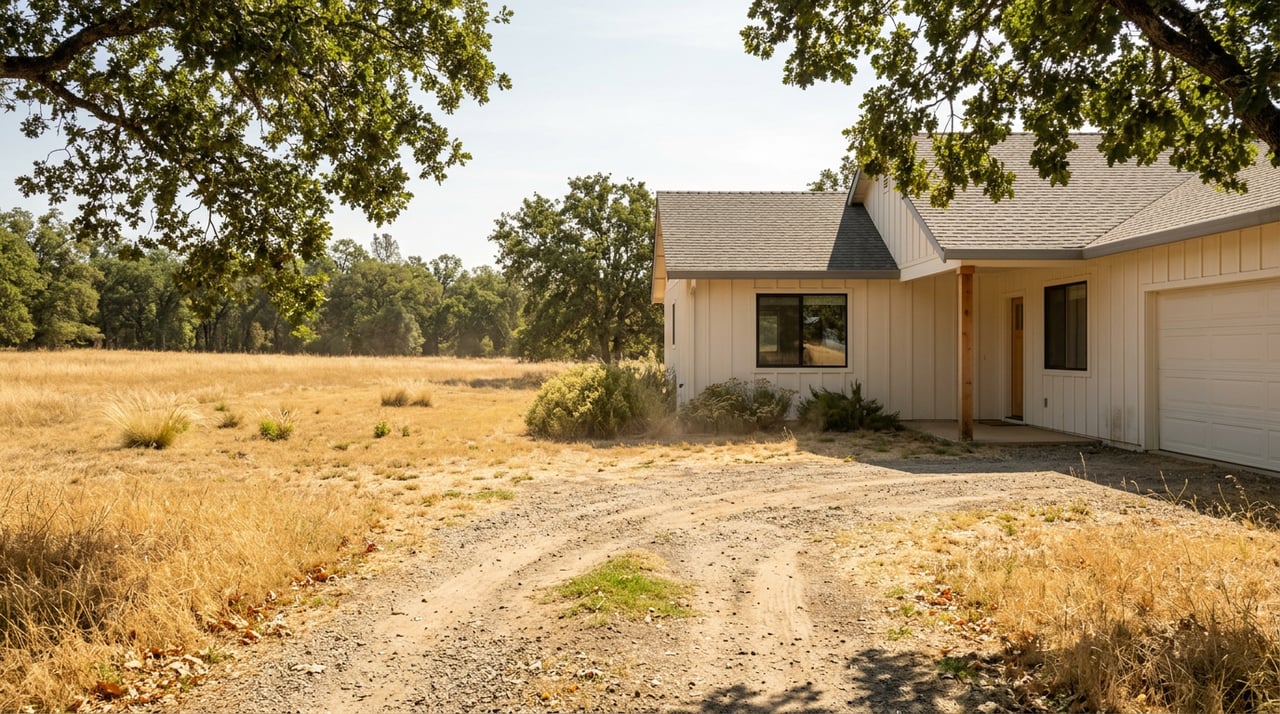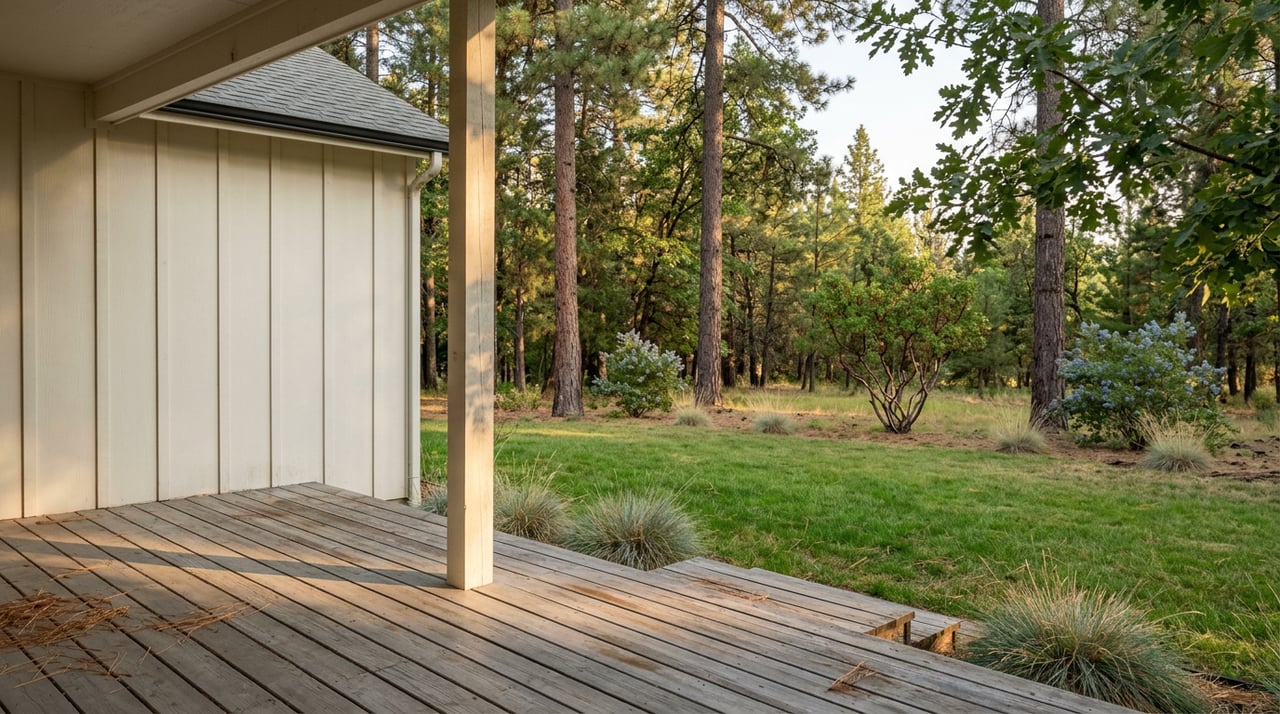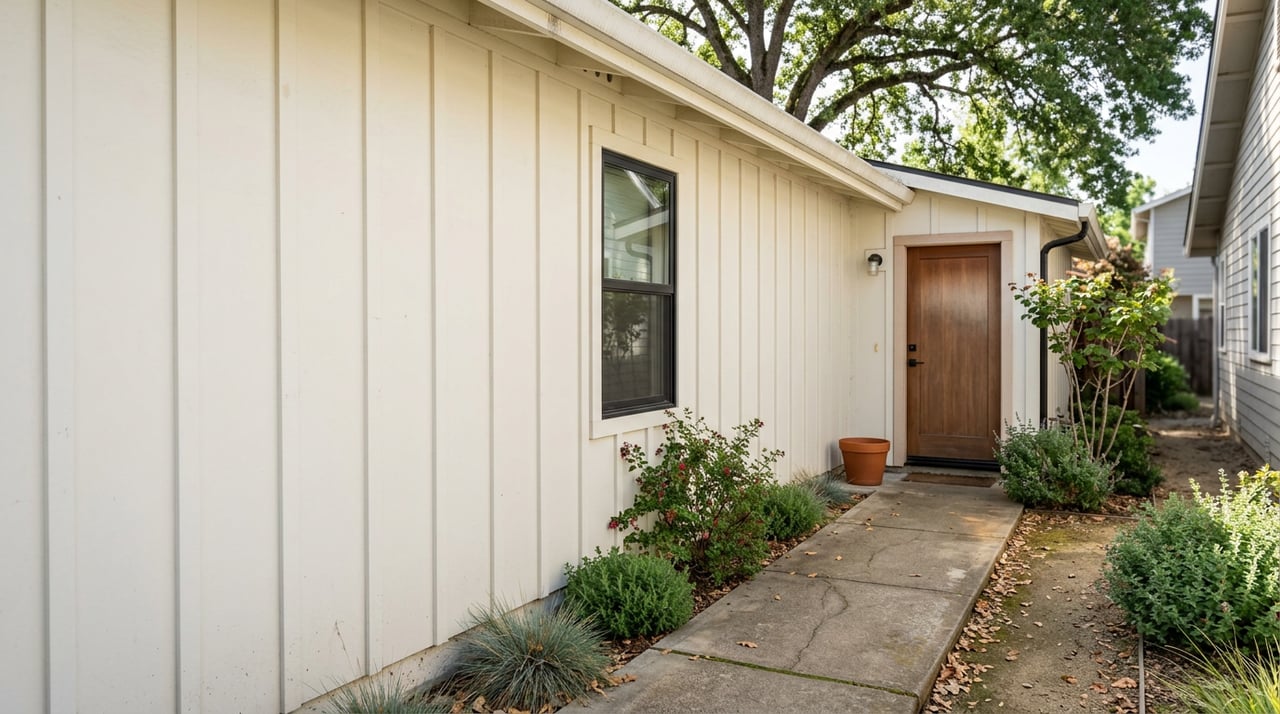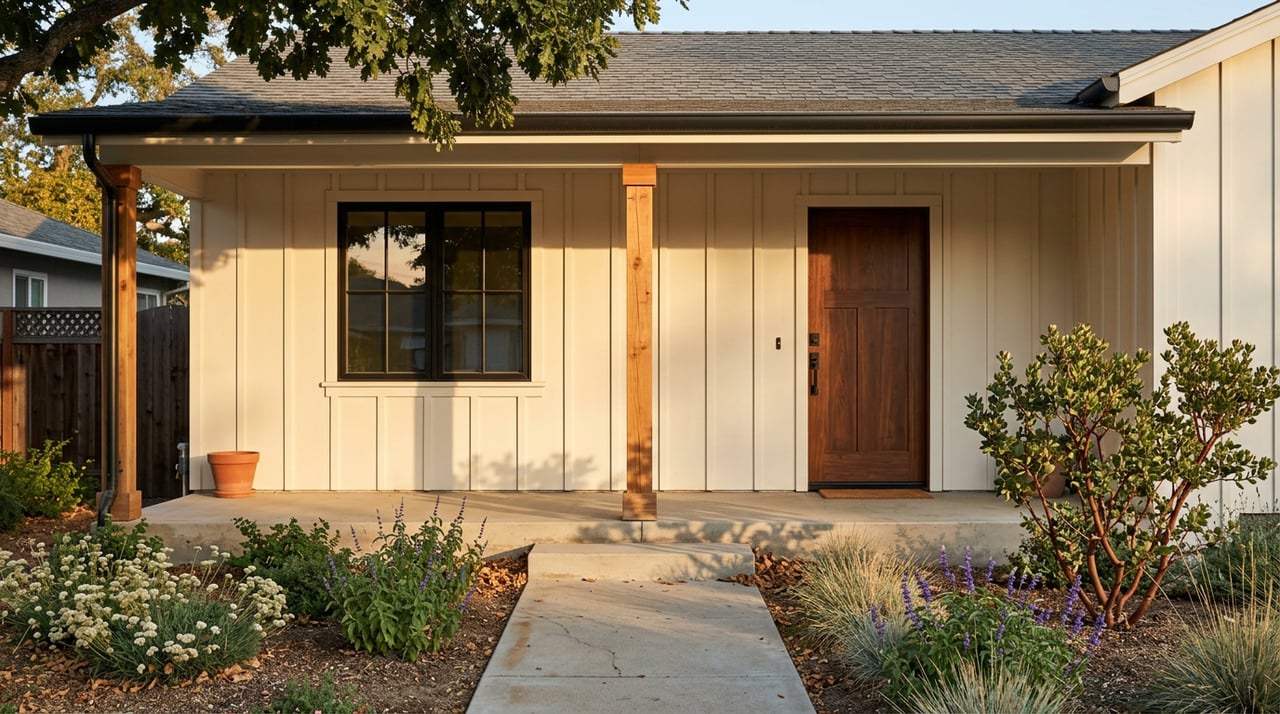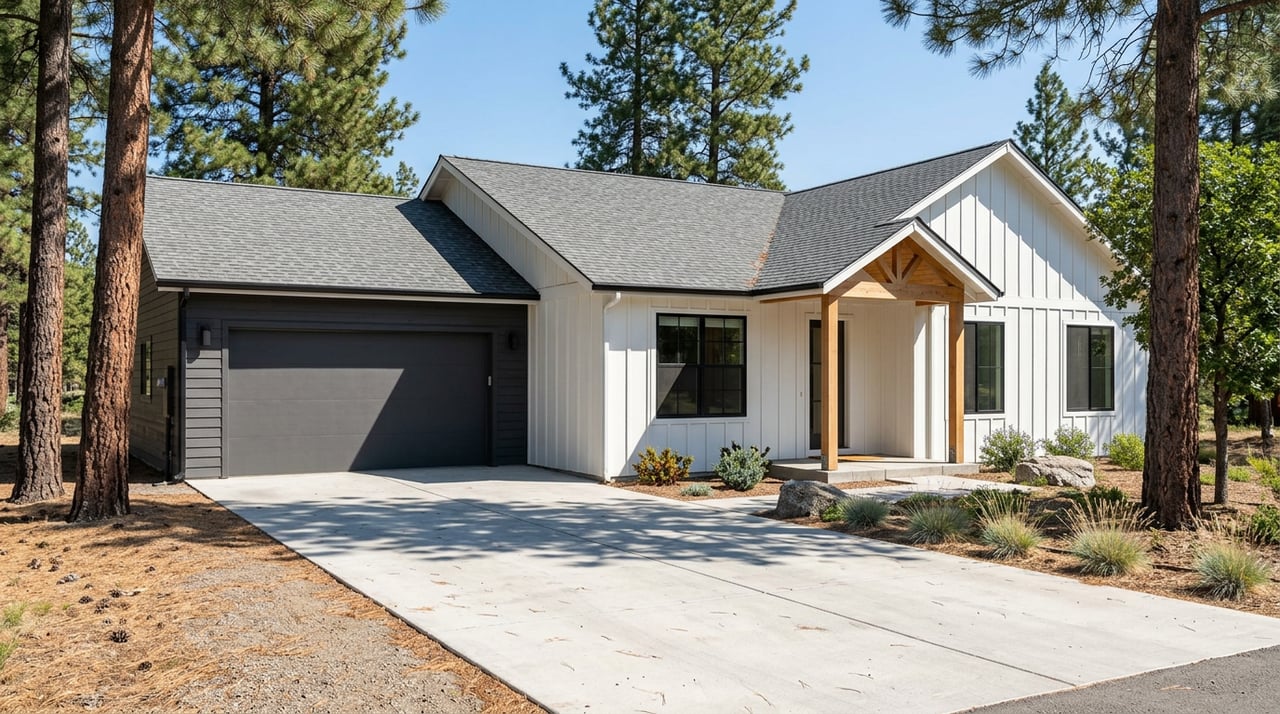
Thinking about building a new home or buying a resale in Paradise? In a town shaped by recovery and renewal, your choice affects more than price. Insurance, wildfire codes, septic or future sewer access, and build timelines all come into play. This guide walks you through the key differences so you can choose with confidence. Let’s dive in.
What “new construction” means in Paradise
Paradise is still rebuilding after the 2018 Camp Fire. Town updates show a multi‑year effort with thousands of permits and several thousand homes completed or underway, which signals a large, active mix of stick‑built and manufactured housing. You can see highlights and date‑stamped milestones in the town’s recovery summaries at MakeItParadise.
In this setting, “new construction” often means a home designed with current wildfire standards, modern systems, and site work that accounts for septic today and possible sewer service in coming years. Resale homes range from recently rebuilt properties to older structures that may need hardening or retrofits. Your decision should start with how you want to balance timeline, upfront cost, insurance, and maintenance.
Key differences at a glance
- New construction: higher upfront build budget and longer timeline, but modern materials, energy performance, and built‑in wildfire mitigation that can aid insurability.
- Resale: faster path to keys and often a lower purchase price, but you may need to budget for roof, vent, siding, deck, and defensible‑space upgrades to meet insurer expectations.
- Insurance: carriers increasingly prefer hardened homes. New code‑compliant builds may qualify more easily for private coverage or credits, while resales may rely on upgrades first.
- Infrastructure: most of Paradise uses septic today, and a town sewer project is being designed. Confirm your parcel’s current and future service status before you decide.
Wildfire codes and permits that shape new builds
California’s 2025 Title 24 cycle introduced a standalone Wildland‑Urban Interface Code (Part 7), which applies to permit applications dated on or after January 1, 2026, in mapped hazard areas. The new structure consolidates wildfire‑resistant construction rules in one place and guides choices like ember‑resistant vents, Class A roofs, ignition‑resistant siding, and decking. For a quick overview of the code cycle and Part 7, see the California Building Standards Commission resources.
Where these rules apply depends on your parcel’s Fire Hazard Severity Zone (FHSZ). The Town has posted FHSZ maps and adoption materials for residents. Before you plan a build or an addition, check your property’s designation using the Town’s FHSZ information page. This helps you anticipate materials, permit timing, and defensible‑space requirements.
Insurance realities in Butte County
Insurance can be the swing factor between a new build and a resale. After recent wildfire seasons, many carriers limited or paused writing in higher‑risk areas, and enrollment in the California FAIR Plan grew. The FAIR Plan is a last‑resort policy that covers fire and smoke, and many homeowners add a “wrap” policy for other perils. For a clear overview of how the FAIR Plan works and where it fits, read this Bankrate explainer on the California FAIR Plan.
The good news is that some insurers are selectively returning to homes with verified mitigation. Programs tied to IBHS Wildfire Prepared or FORTIFIED standards can unlock credits or access with certain carriers. Mercury Insurance, for example, announced a partnership with IBHS to promote wildfire preparedness and mitigation paths that carriers recognize. You can learn more in Mercury’s press release about the IBHS collaboration.
What this means for you: a WUI‑code‑compliant new build with documented hardening steps may be easier to insure privately and sometimes at a better rate than a non‑hardened resale. That said, do not assume new equals low premiums. Always request current quotes for the specific property and hardening level.
Septic now, sewer later: why it matters
Paradise remains predominantly on septic. The Town’s Onsite Wastewater Division manages clearances for transfers and new builds, so any parcel purchase or new project should start with a septic evaluation. You can find requirements and contacts on the Town’s septic and onsite wastewater page.
The Town is also designing a centralized sewer program with phased construction projected for the late 2020s into the early 2030s. Parcels in initial phases may gain service sooner, while others remain on septic for longer. Explore timelines and mapped service areas at the Paradise Sewer Project site. For buyers, this affects lot feasibility, potential hookup costs later, and how you think about ADUs or future density.
New construction must plan around septic design today and possible sewer access in the future. Resales should be vetted for current septic performance and any conditions of sale. In both cases, site work costs can be meaningful, especially on wooded or sloped parcels.
Cost and price context in Paradise
Budget is usually the first filter. National surveys put the average 2024 construction cost of a new single‑family home around $428,000, with Western states trending higher. That figure includes big line items like site work, framing, and finishes. Wildfire‑resistant details, such as Class A roofing and ember‑resistant venting, typically add several thousand dollars on a typical home. See an accessible national breakdown in this Visual Capitalist summary of new‑home construction costs.
Resale prices in Paradise vary by neighborhood, home age, and level of rebuild or retrofit. While a resale can look more affordable at closing, you may need to budget for hardening and defensible‑space work to meet insurer and lender expectations. By contrast, a new build may cost more upfront but can reduce early maintenance and address insurance requirements from day one.
A smart next step is to put real numbers to both paths for the specific property you are considering. Get insurer quotes, a septic or sewer plan, and a contractor or inspector estimate for any required retrofits. That side‑by‑side view often clarifies your best route.
Which path fits your goals?
- You want speed: Choose resale. You can usually close faster and move in while planning any targeted upgrades.
- You value modern systems and lower near‑term maintenance: Choose new construction. You will likely get current code compliance and updated materials.
- You already own land or want custom placement on a parcel: Choose new construction. You can orient the home, plan defensible space, and design around your site.
- You need budget clarity at closing: Lean resale. You will know your mortgage and initial insurance requirement, then phase upgrades.
- You are focused on insurance options: Either path can work. A hardened new build may be easier to insure privately, while a well‑retrofitted resale can also qualify. Always verify quotes in writing.
A practical Paradise checklist
Use this to compare options and speed up due diligence.
- Confirm fire‑hazard mapping and code path
- Check your parcel’s Fire Hazard Severity Zone and whether your permits will be reviewed under the 2025 Title 24 Part 7 WUI code for permits dated on or after January 1, 2026. Start with the Town’s FHSZ information page and the state’s Title 24 code resources.
- Verify insurance availability early
- Ask for recent insurer quotes or policy details. Learn when the California FAIR Plan is used and what a wrap policy would cost. This Bankrate guide to the FAIR Plan explains coverage basics to discuss with a licensed agent.
- Document wildfire hardening
- For new builds, request code‑compliance documentation and any IBHS‑aligned mitigation steps. For resales, price out roof, vents, gutters, siding, decks, and defensible‑space work to reach similar performance.
- Check septic or sewer status
- Confirm septic clearance or design needs and whether your parcel sits in a planned sewer phase. Start with the Town’s septic resources and the Paradise Sewer Project site.
- Review evacuation and access updates
- Town recovery updates share information on evacuation route improvements and alert systems. Stay current through the Town’s Monthly Recovery Update page.
- Plan timeline and soft costs
- New construction adds design, permits, inspections, and interim housing or construction interest. Resales can close faster but may need permitted retrofits before move‑in. Build a simple calendar and cost tracker for both paths before you choose.
How we help you compare, step by step
You deserve a clear, local game plan. As a boutique, owner‑operated brokerage, we pair Paradise know‑how with hands‑on guidance so you can choose confidently.
Here is how we support your process:
- Clarify parcel and property options that match your goals, from rebuilt resales to buildable land.
- Coordinate due diligence with local pros and Town offices, so you understand mapping, septic, permit steps, and timelines.
- Help you request and compare insurer quotes, contractor estimates, and upgrade scopes side by side.
- Manage the details from offer to close, then connect you with trusted property management and maintenance resources when needed.
Ready to talk through your options in Paradise? Reach out to the team at Connect Real Estate Group. We will help you map the numbers, the risks, and the next steps.
FAQs
What should a first‑time Paradise buyer know about insurance for new builds versus resales?
- New builds that meet current WUI standards and verified hardening often qualify more easily for private insurance, while resales may need upgrades first; always compare written quotes for the exact property.
How do I check if wildfire WUI rules apply to my Paradise lot?
- Look up your parcel’s Fire Hazard Severity Zone using the Town’s FHSZ page and confirm permit timing against Title 24 Part 7, which applies to permits dated on or after January 1, 2026.
Is Paradise on septic or sewer, and how does that affect my decision?
- Most of Paradise is on septic today; a phased sewer project is in design for late‑decade service, so verify your parcel’s current septic status and any planned sewer timing and costs.
Are new homes cheaper to insure than older resales in Paradise?
- Not always, but hardened new builds can be more attractive to insurers; resales can also qualify after targeted retrofits, so request quotes and mitigation credits for each option.
What is the California FAIR Plan and when is it used in Paradise?
- The FAIR Plan is a last‑resort fire policy many owners use in higher‑risk areas; some pair it with a separate policy to cover other perils, so review coverage and cost with a licensed agent before you buy.