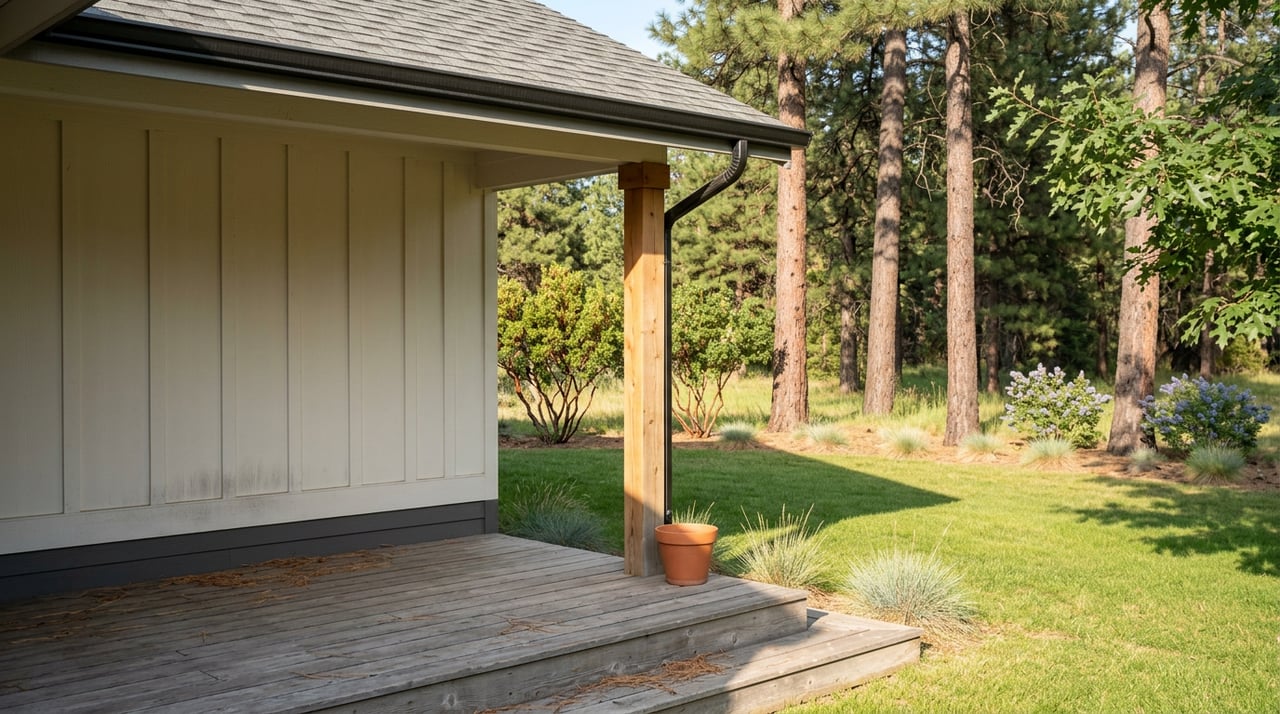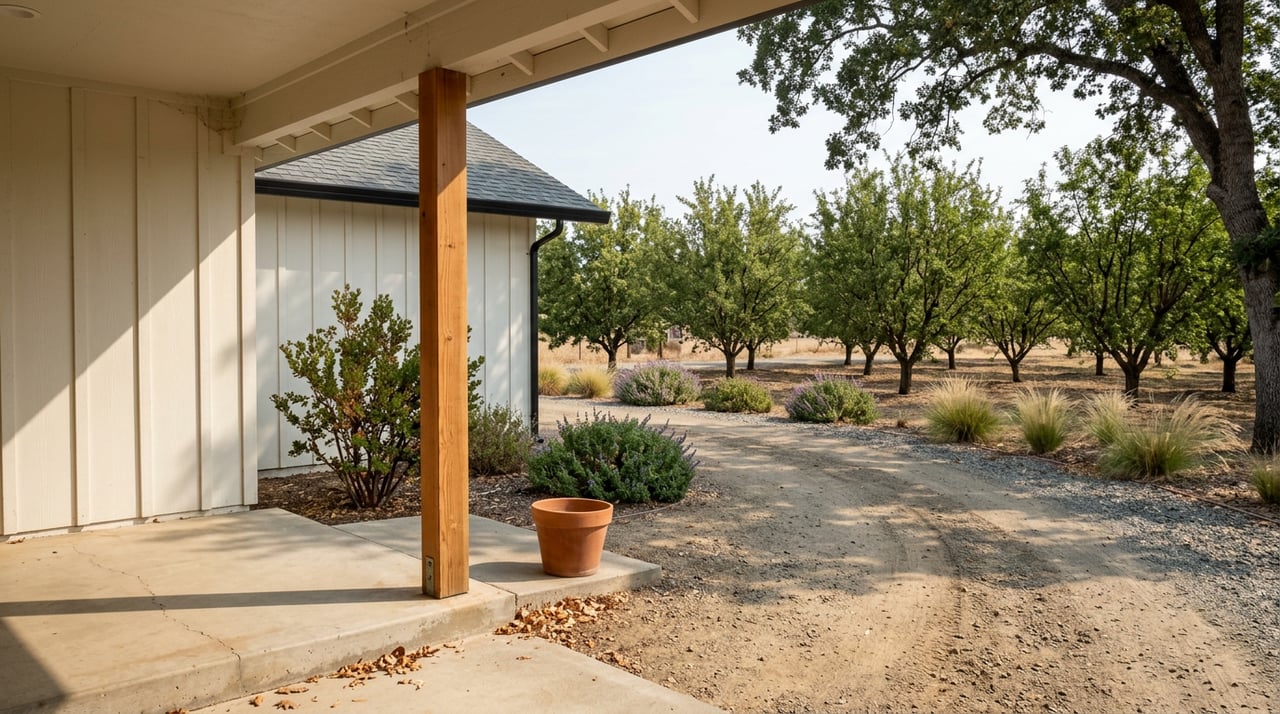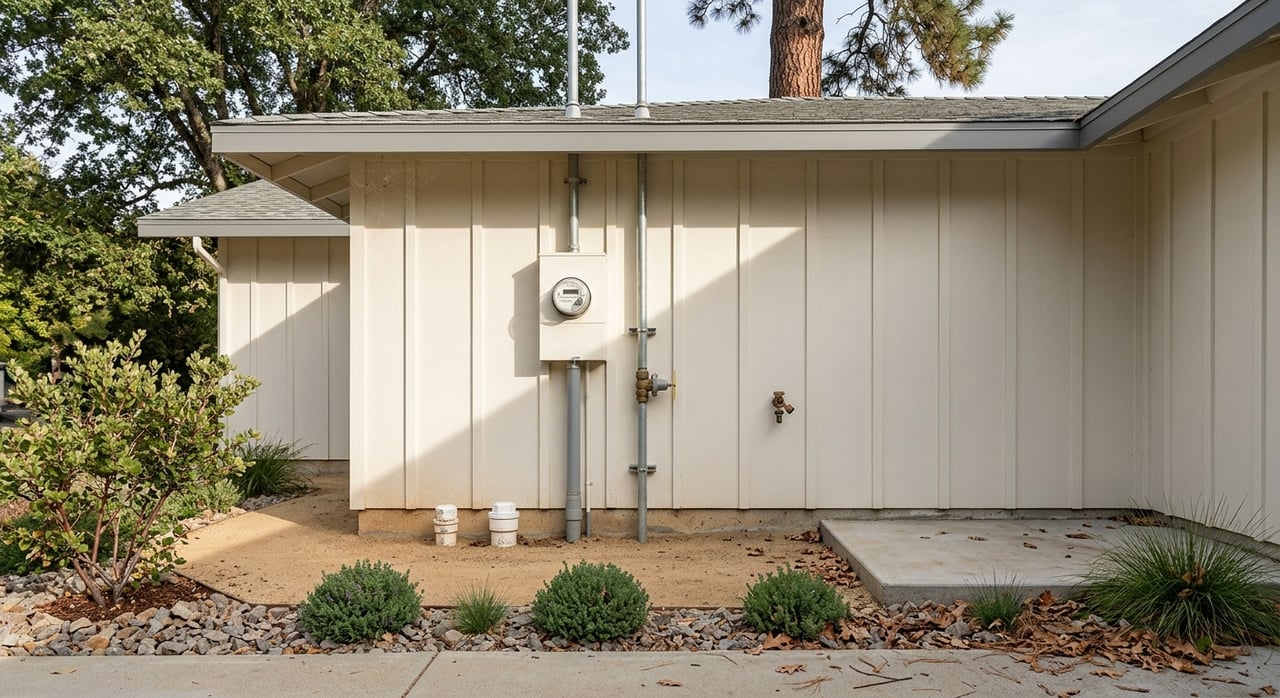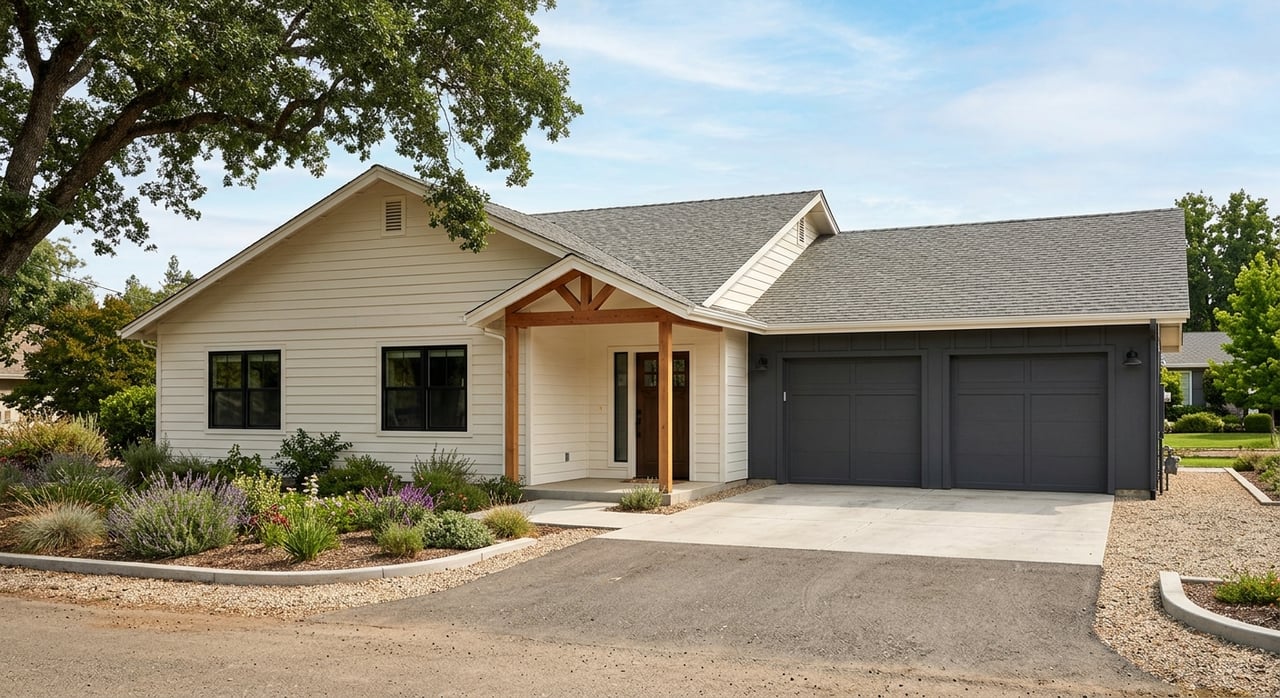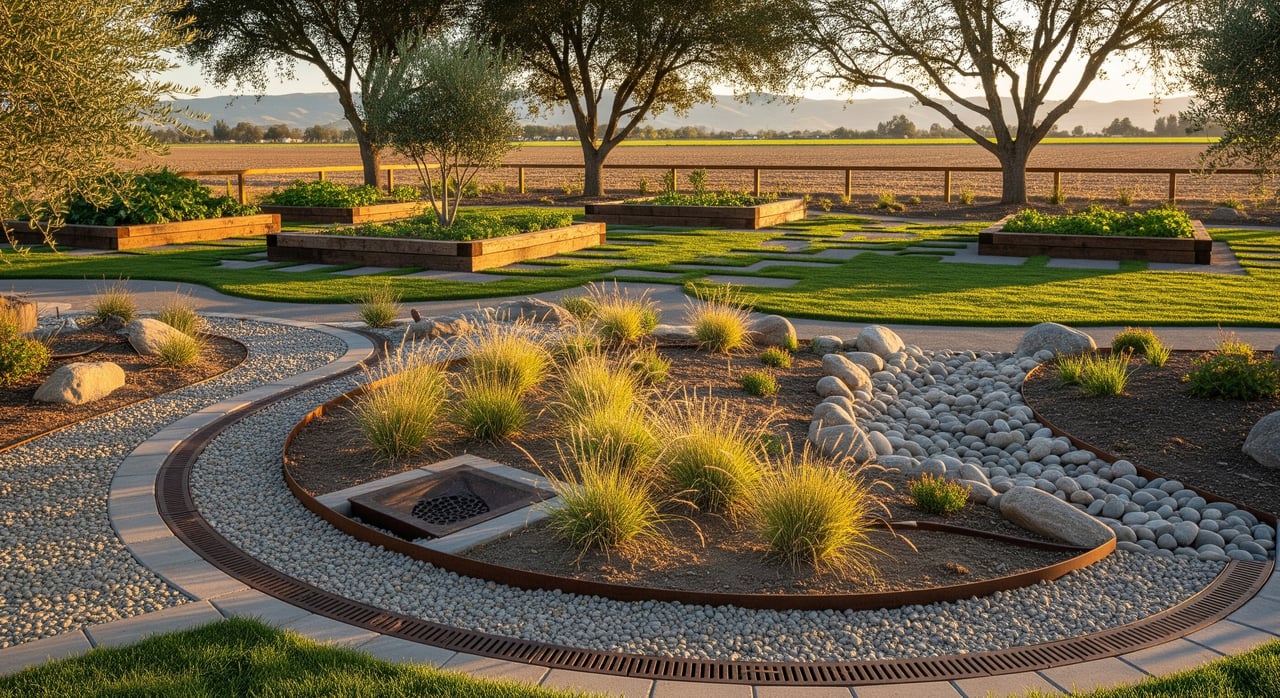
Do winter storms turn parts of your Gridley yard into a shallow pond? You are not alone. Heavy clay soils across Butte County slow down infiltration, so water lingers near slabs, patios, and walkways. In this guide, you will learn practical, value-focused fixes that work for Gridley’s climate and soils, plus the questions to ask contractors so your investment holds up. Let’s dive in.
Why Gridley yards stay soggy
Mediterranean storms and timing
Gridley sits in the Sacramento Valley with hot, dry summers and most rain from late fall through early spring. That means runoff and soil saturation hit in a short window. Winter and early spring are the highest risk for ponding, erosion, and movement in your hardscape.
Clay soils and shrink-swell
Much of Butte County has fine-textured, clay-rich soils with moderate to high shrink-swell behavior. Clay holds water and resists infiltration. When wet, it expands and increases lateral pressure on slabs and footings. When dry, it shrinks and can contribute to settlement and cracking. Common symptoms include standing water near foundations, small erosion channels where runoff concentrates, and seasonal sticking doors.
Start with surface grading
Surface grading is your most cost-effective defense. The goal is to move water away from the foundation quickly and safely to a legal discharge point.
- Aim for positive slope away from the house. A commonly referenced minimum is about 6 inches of drop over the first 10 feet. Confirm local application with Butte County building inspectors.
- Regrade the first few feet next to the slab with compacted, well-draining fill. Use topsoil for planting areas farther out.
- Shape shallow, broad swales to guide sheet flow along the yard and away from slabs.
- Create small berms where needed to steer irrigation and runoff around patios and entries, not toward them.
If a contractor proposes large grade changes, ask about compaction control and how they will prevent future settlement. For complex sites or persistent moisture, an engineered grading plan may be worth it.
Control roof runoff at the source
Roof water is often the biggest contributor to near-foundation saturation. Manage it well and you solve a large part of the problem.
Gutters and downspouts
- Install continuous gutters sized for your roof area and local storm intensity.
- Add enough downspouts so water does not overflow and spill near the slab during heavy rain.
- Keep gutters and outlets clear. Clean at least twice a year, and more often if you have nearby trees.
Routing and discharge
- Extend downspouts with rigid extensions or buried pipe to carry water beyond the near-foundation zone.
- Daylight the pipe to a swale, storm line, or designed infiltration area that is not next to the house.
- If you use rain barrels or cisterns, include an overflow that routes away from slabs and walkways.
Make sure discharge points do not create new ponding in low spots or direct water toward driveways where it can back up against the garage.
When to add subsurface drainage
If grading and roof control do not solve saturation near slabs or under hardscape, consider subsurface options.
French drains and trench drains
- French drains use perforated pipe in gravel to intercept subsurface water and convey it to a safe outlet.
- Trench drains at driveway or patio edges collect sheet flow before it reaches the slab.
In heavy clay, French drains can clog over time. Specify proper filter fabric, a generous gravel envelope, cleanouts for maintenance, and a stable outlet with continuous fall. Use subsurface systems when you see persistent saturation that surface fixes do not cure or when groundwater appears to rise against the foundation.
Perimeter foundation drains
Exterior foundation drains are typically installed at footing level. They are effective but usually part of a major repair or retrofit and come at higher cost. Reserve this approach for serious, ongoing moisture problems or when combined with structural work.
Smarter landscape choices in clay
Great landscaping can help manage water without creating new problems.
Planting in heavy clay
- Choose plants that tolerate seasonal wetness in low areas and drought in summer.
- Keep large-rooted trees well away from foundations and utilities.
- Group shrubs and permeable planting zones where water can safely sit and soak, away from structures.
- Reduce irrigation near slabs. Drip irrigation is often better than spray for control and efficiency.
Hardscape and patios
- Slope patios and walkways away from buildings.
- Include expansion joints to handle soil movement tied to wet-dry cycles.
- Permeable pavers can reduce runoff, but in very low-infiltration clay they may need an engineered underdrain or storage base to perform well.
Rain gardens, bioswales, and dry creek beds
- Rain gardens and bioswales slow and store runoff, then release it gradually. In clay, include an underdrain or a safe overflow route so you do not leave the area waterlogged near the house.
- Dry creek beds provide a visible, functional path for surface flow. Size them for expected stormwater and direct them to a legal discharge point.
What adds value first
Buyers prefer homes with clear, well-documented drainage improvements. Start with the fixes that deliver the biggest return.
- Repair or add continuous gutters and route downspouts away from the foundation. This is a low-cost, high-impact step.
- Regrade the perimeter to achieve positive slope. When done correctly, this reduces near-slab saturation and protects hardscape.
- Add surface swales or small berms to keep sheet flow away from patios, walkways, and doors.
If those steps do not solve the problem, consider higher-cost measures like French drains, trench drains, or perimeter foundation drainage. The severity of moisture issues, visible damage, and local expectations all influence value. Clear drawings, permits where required, and warranties help reassure future buyers.
What to ask contractors during bids
Get a thorough, apples-to-apples bid. Request these items up front.
Documentation and scope
- Written, itemized scope describing grading, materials, compaction standards, gutter/downspout sizing and routing, and discharge locations.
- Drawings or sketches showing grade changes, swales, and downspout routing to outlets.
- Timeline, warranty details for workmanship and materials, and any homeowner maintenance responsibilities.
Qualifications and testing
- Ask about experience with clay soils and shrink-swell conditions. Request local references.
- Clarify permits and inspections. Confirm who will apply for permits with the Butte County Building Division or local city office.
- For large regrades, request compaction verification to reduce future settlement.
- For subsurface drains, ask for pipe size and slope, gravel envelope details, filter fabric type, cleanout locations, and outlet design.
- Request proof of license, liability insurance, and workers’ comp.
Red flags
- Verbal-only estimates with no drawings or written scope.
- Blanket statements that no permits are needed without checking codes.
- Unusually low bids that skip demolition, disposal, or permit fees.
- No warranty or refusal to provide references.
Permits, codes, and local contacts
Many grading changes, structural work, or storm connections require permits. Contact the Butte County Building and Planning Department or your city office to confirm thresholds, stormwater rules, and best practices during construction. For general guidance, the International Residential Code is often used to reference site grading, including the commonly cited minimum of about a 6-inch drop in the first 10 feet away from buildings unless an engineered alternative is provided.
Local resources like UC Cooperative Extension, UC Agriculture and Natural Resources publications, and USDA NRCS soil surveys can help with soil characteristics, plant selection, and irrigation best practices suited to clay soils in the Sacramento Valley.
Seasonal maintenance checklist
Staying ahead of the wet season keeps problems small and repairs affordable.
- Late summer to early fall: clean gutters, test downspout extensions, and confirm discharge paths are clear.
- Fall: repair slab sealants and joints before the first major storm.
- Winter: after heavy rain, walk the yard. Note new ponding, check swales and discharge points, and clear debris.
- Spring: look for signs of heave or settlement, cracks, or sticky doors. Adjust irrigation to match seasonal needs and watch for waterlogged plants.
Signs you need to act
- Standing water near slabs that persists for days.
- New or widening cracks, sticking doors, or uneven floors.
- Efflorescence or mold in garages or basements.
- Erosion channels that indicate concentrated flow.
Trade-offs and risk management
Clay’s low permeability limits infiltration strategies that work well in sandy soils. If you rely on rain gardens or permeable pavers, design them with underdrains or overflows so water does not sit near the foundation. Never shift the problem to a neighbor’s property or public walk. Choose a legal, stable outlet. Even great systems fail if you skip maintenance, so budget time for cleaning gutters, checking downspouts, and inspecting drains.
A simple action plan for Gridley homes
- Control the roof first. Size gutters correctly, add or reroute downspouts, and carry water well away from the foundation.
- Shape the surface. Regrade the first 10 feet, add swales, and use small berms to steer flow.
- Reassess after a few storms. If ponding or saturation persists, design a targeted French drain or trench drain with cleanouts and a dependable outlet.
- Document everything. Keep drawings, permits, and warranties. These help with resale value and future maintenance.
Protecting your slab and yard in Gridley comes down to smart water moves and steady upkeep. If you want help prioritizing pre-list improvements or need local contractor referrals, reach out to Connect Real Estate Group. We are here to help you protect value and move forward with confidence.
FAQs
What is the best drainage fix for Gridley’s clay soils?
- Start with surface solutions. Get positive slope away from the house, then manage roof water with gutters and downspouts that discharge well away from slabs.
How much slope should I have near my foundation in Gridley?
- A commonly referenced minimum is about a 6-inch drop over the first 10 feet away from the building. Confirm details with local building officials.
When should I install a French drain on a Gridley property?
- Use a French drain if grading and roof runoff control do not stop persistent saturation near slabs or if you see signs of groundwater reaching the foundation.
Do rain gardens work in heavy clay soils in Butte County?
- They can, but they often need an underdrain or a reliable overflow. Without that, water may sit too long near structures.
What should be in a drainage contractor’s bid in Gridley?
- A written scope, sketches of grading and routing, compaction standards, pipe and gravel details for any drains, permit responsibilities, timeline, warranty, and references.
Are permits required for drainage work in Gridley?
- Some grading changes and storm connections require permits. Check with the Butte County Building and Planning Department or your city before work begins.