Trying to choose between Central Chico and North Chico? You are not alone. Many buyers end up deciding between the charm and convenience of Chico’s older core and the newer, roomier feel of the north side. If you are comparing lifestyle, home styles, and price tradeoffs, this guide will help you sort out what matters most and move forward with more confidence. Let’s dive in.
How to Think About Central vs. North Chico
When buyers talk about Central Chico, they usually mean the older core around downtown, the Esplanade, the Avenues, and the East Streets. North Chico usually refers to the neighborhoods north of East Avenue, including the DeGarmo Park and Northwest Chico area.
That matters because this is not just a north-versus-south conversation. It is really a comparison between older in-town housing and newer suburban-style housing. Once you look at it that way, the differences become much easier to understand.
Central Chico at a Glance
Central Chico tends to appeal to buyers who want character, established streets, and easier access to downtown amenities. The housing stock is older and more varied, which creates a very different feel from newer subdivision areas.
In places like the Avenues and East Streets, you may see everything from small alley units and modest bungalows to larger early-20th-century homes, ranch houses, and multifamily properties. According to local planning and housing data, this part of Chico includes some of the city’s oldest homes and rentals.
Central Chico Home Styles
If you enjoy neighborhoods with architectural variety, Central Chico may feel more interesting right away. The East Streets area, for example, is described as having a mix of 1950s ranch homes and early-20th-century colonials.
That older housing stock often comes with tradeoffs. You may get more charm and a more established setting, but you may also see smaller floor plans, smaller lots, and older systems depending on the property.
Central Chico Size and Lot Trends
In East Streets, the median year built is 1930. Average home size is about 1,492 square feet, and the median lot size is 5,662 square feet.
Those numbers help paint a clear picture. Central Chico often gives you a more compact footprint, both inside and out, compared with many north-side homes.
North Chico at a Glance
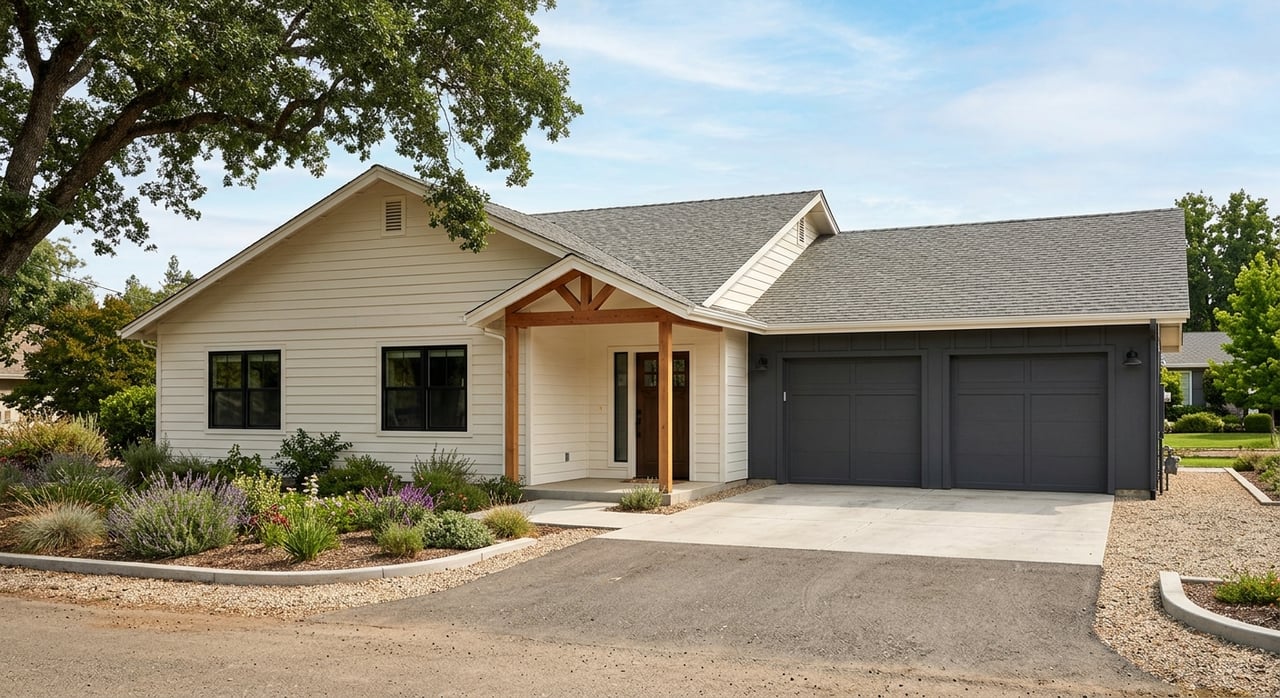
North Chico generally fits buyers who want newer construction, larger homes, and a more suburban layout. Many neighborhoods in this area were built later and tend to have a more uniform residential feel.
Northwest Chico is a strong example of that pattern. The area is described as having newer tract housing, mostly single-family homes, with a median year built of 2012.
North Chico Home Styles
On the north side, you are more likely to find homes with contemporary layouts and newer subdivision design. That can mean larger kitchens, more open living spaces, and floor plans that match what many buyers want today.
The broader North Chico growth area also reflects lower-density suburban development patterns. Depending on where you look, the feel can range from established subdivisions to larger planned-growth areas with more open space.
North Chico Size and Lot Trends
In Northwest Chico, the average single-family home size is about 2,067 square feet. The median lot size is 7,405 square feet.
Compared with Central Chico, that usually means more interior room and more yard space. If extra square footage is high on your list, North Chico may stand out quickly.
Lifestyle and Daily Convenience
Your day-to-day routine can matter just as much as the house itself. One of the biggest differences between Central and North Chico is how you move through the city and what is close by.
Central Chico is often the better fit if you want a more walkable or bike-friendly lifestyle. North Chico is often the better fit if you want easier freeway-oriented travel and a more auto-focused setup.
Central Chico Access and Activity
Central Chico has strong appeal for buyers who want to be closer to downtown, local errands, and outdoor recreation. East Streets sits within about a mile of downtown and within about a mile of State Routes 32 and 99, which can make short commutes and errands easier.
The city also highlights bike paths and connections to Bidwell Park. If being able to bike more often or stay closer to Chico’s central activity areas matters to you, this can be a major advantage.
North Chico Access and Activity
North Chico is more car-oriented, but it also offers practical access for many buyers. The area is served by SR 99, Eaton Road, and Hicks Lane, and Northwest Chico is about 4 miles north of downtown.
Homes.com notes that a downtown drive from Northwest Chico can take around 15 minutes in rush hour. If your routine depends on driving and you want quick access to north-side corridors, that setup may feel more convenient.
Parks and Shopping Matter
Lifestyle is not only about commute time. It is also about where you spend your weekends, where you shop, and how close you feel to the places you use most.
This is one of the clearest differences between Central and North Chico.
Central Chico Parks and Downtown Access
Central Chico’s signature outdoor draw is Bidwell Park. The city describes it as a 3,670-acre park with more than 50 miles of trails.
That is a major quality-of-life feature for buyers who want quick access to walking, hiking, and outdoor time. Central neighborhoods also place you closer to downtown Chico, which remains the city’s main shopping and dining district.
North Chico Parks and Shopping Access
North Chico has its own strong amenities, especially for buyers who want neighborhood parks and everyday retail close by. DeGarmo Park is about 35 to 36 acres and includes softball fields, turf fields, a playground, a dog park, picnic areas, restrooms, and a walking path.
For shopping, north-side buyers often look to the Esplanade commercial corridor and North Valley Plaza. Those areas support routine errands and daily convenience without needing to head downtown for everything.
What Prices Suggest for Buyers
Price is important, but the Central-versus-North comparison is not as simple as many people expect. Broadly speaking, north-side homes tend to carry a premium, but some Central Chico pockets can compete with or exceed north-side pricing.
At the city level, Chico’s median sale price was $457,000 in April 2026, down 0.7% year over year. ZIP-level data also suggests a north-side premium, with 95926 averaging $435,367 in home value and 95973 averaging $502,826.
The Broad Pricing Pattern
That puts 95973 about $67,459 higher, or roughly 15.5% above 95926. Median sale values show a similar gap, with $419,417 in 95926 versus $474,280 in 95973.
These ZIP codes are only rough proxies, but they help show the bigger pattern. In general, buyers often pay more for newer construction and larger homes on the north side.
Why Subarea Matters More
Neighborhood examples show why broad averages only tell part of the story. Homes.com lists Downtown Chico at a median sale price of $325,000, Chico Vecino at $425,000, East Streets at $600,000, and Northwest Chico at about $565,000.
That means some Central Chico homes can cost as much as, or more than, homes in North Chico. So the better question is not just “central or north?” It is “which pocket, which property condition, and which lifestyle fits you best?”
Which Area May Fit You Best
If you are torn between the two, it helps to focus on your priorities instead of searching for a one-size-fits-all answer. Both areas can be good options, but they serve different goals.
Central Chico May Be a Better Fit If You Want:
- Older homes with more architectural character
- Smaller lots and a more established neighborhood feel
- Easier access to downtown Chico
- Better proximity to Bidwell Park and bike-friendly routes
- More variety in home types and street patterns
North Chico May Be a Better Fit If You Want:
- Newer construction
- Larger homes and more yard space
- A more suburban neighborhood layout
- Convenient access to SR 99 and north-side corridors
- Nearby retail and recreation anchored by areas like DeGarmo Park
The Smartest Way to Compare Homes
The best way to compare Central and North Chico is to tour both with a clear plan. Look beyond list price and ask how each area fits your daily life, budget, and comfort level with older versus newer homes.
You may find that a smaller central home gives you the lifestyle you want, or that a north-side home gives you the space you need for the long term. In Chico, direction alone does not tell the whole story.
If you want help narrowing down the right part of Chico for your next move, Connect Real Estate Group can help you compare neighborhoods, home styles, and price points with local insight and a hands-on approach.
FAQs
What is the difference between Central Chico and North Chico for homebuyers?
- Central Chico usually refers to the older downtown, Esplanade, Avenues, and East Streets core, while North Chico generally refers to neighborhoods north of East Avenue, including the DeGarmo Park and Northwest Chico area.
Is Central Chico or North Chico more expensive in Chico?
- Broad ZIP-level data suggests North Chico is often more expensive, but neighborhood-level pricing shows some Central Chico areas, such as East Streets, can be priced as high as or higher than Northwest Chico.
Are homes in North Chico newer than homes in Central Chico?
- Yes. Central Chico has much older housing stock overall, while areas like Northwest Chico are known for newer tract housing, with a median year built of 2012.
Does Central Chico have smaller homes and lots than North Chico?
- In general, yes. East Streets averages about 1,492 square feet with a median lot size of 5,662 square feet, while Northwest Chico averages about 2,067 square feet with a median lot size of 7,405 square feet.
Which Chico area is better for access to parks and outdoor recreation?
- Central Chico offers closer access to Bidwell Park, which spans 3,670 acres and has more than 50 miles of trails, while North Chico is anchored by DeGarmo Park with sports fields, a playground, a dog park, and walking paths.
Is North Chico better for commuting by car in Chico?
- North Chico is generally more auto-oriented and has practical access to SR 99, Eaton Road, and Hicks Lane, which can be helpful if your routine depends on driving.